Nursing Student Resources


RN Essentials LLC
The Basics: EKG Interpretation Resource Guide
The Basics: EKG Interpretation Resource Guide
Couldn't load pickup availability
EKG INTERPRETATION—MADE EASIER FOR NURSING STUDENTS
Created by a registered nurse for nursing students who want EKG concepts explained in a practical, organized, and approachable way.
Learning cardiac rhythms can feel overwhelming. This 64-page EKG resource guide breaks complex concepts into clear, manageable sections to help nursing students understand how the heart’s electrical system works, analyze rhythm strips, and recognize important cardiac changes.
Instead of relying only on memorization, students learn how to connect EKG findings with possible causes, patient symptoms, medications, electrolyte imbalances, and nursing priorities.
INSIDE THE GUIDE:
• Basic heart anatomy and blood flow
• The cardiac conduction pathway
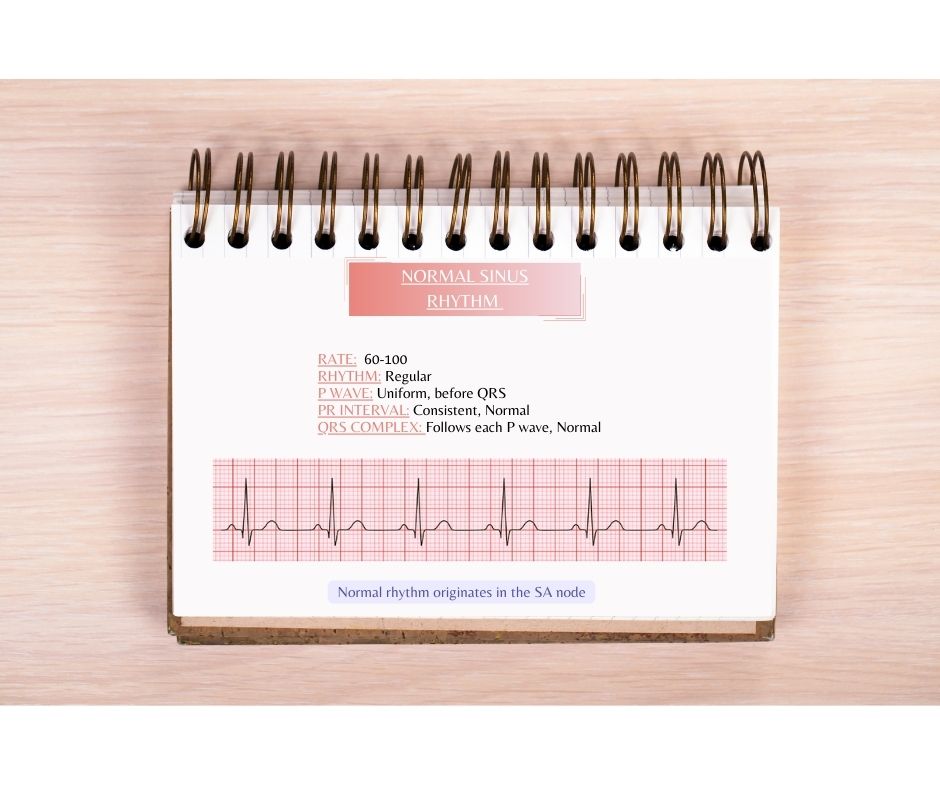
• P waves, PR intervals, QRS complexes, QT intervals, and ST segments
• A step-by-step method for reading rhythm strips
• Heart-rate calculation methods
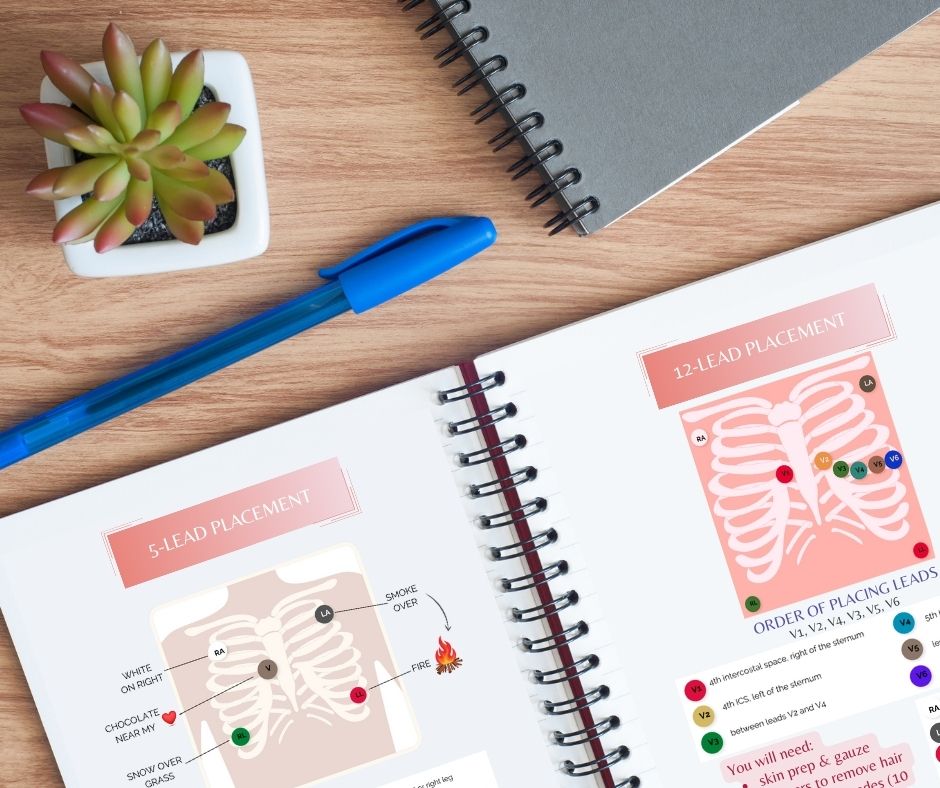
• Five-lead and 12-lead electrode placement
• Sinus, atrial, junctional, and ventricular rhythms
• PACs, PVCs, and other ectopic beats
• First-, second-, and third-degree AV blocks
• Bundle branch blocks
• Cardioversion versus defibrillation
• ST elevation, ST depression, and T-wave changes
• Pacemaker types, pacing spikes, capture, and common malfunctions
• Antiarrhythmic medications and their EKG effects
• Potassium, calcium, and magnesium imbalances
THIS GUIDE CAN HELP YOU:
• Follow a consistent rhythm-analysis process
• Recognize common dysrhythmias more confidently
• Connect EKG changes to the patient’s clinical condition
• Review high-yield concepts before exams and clinicals
• Strengthen your cardiac foundation for medical-surgical nursing and the NCLEX
Study smarter. Recognize the rhythm. Think like a nurse.
Educational resource only. Always follow current course materials, clinical policies, provider orders, and emergency-care guidelines.